
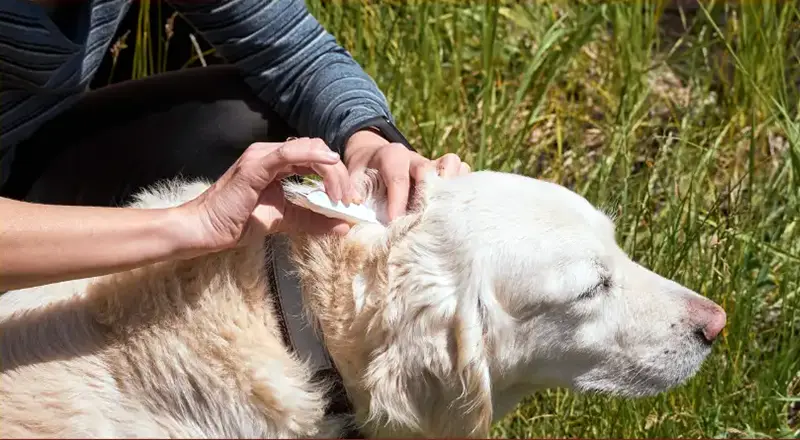
Beach walks are a favorite for many dogs. Fresh air, open space, and endless new smells make it one of the best parts of a dog’s week. However, tucked into the dry grass along the dunes and walking paths is a hazard many pet owners never think about until it’s too late: foxtails.
What Exactly Are Foxtails?
Foxtails are dry, barbed grass seed heads that resemble, as the name suggests, a fox’s bushy tail. Because of their shape, they cling easily to fur, paws, and skin. Once attached, their barbs only move in one direction — forward — so a foxtail that brushes against your dog doesn’t just sit there. Instead, it works its way deeper into the body with every step, lick, or shake of the head.
Why They're Dangerous
Unlike a stray burr that your dog can shake off, foxtails don’t come out on their own. As a result, they can burrow into the skin, ears, nose, eyes, or paws, and in more serious cases, migrate even deeper into the body. This can lead to painful abscesses, infections, and in rare cases, more serious internal complications. Because the danger builds slowly, many owners don’t realize anything is wrong until their dog is already in distress.
Signs Your Dog May Have Picked Up a Foxtail
Watch for the following after any beach visit or walk through tall grass:
- Sudden, repeated sneezing or pawing at the nose
- Head shaking, tilting, or scratching at the ears
- Limping, licking, or swelling around the paws
- Redness, squinting, or discharge from the eyes
- A small, unexplained lump under the skin
If you notice any of these symptoms, it’s worth a quick check — and a call to your vet if the foxtail can’t be easily located and removed.
How to Protect Your Dog at the Beach
Prevention is far easier than treatment, so a few simple habits go a long way:
- Stick to well-maintained paths and avoid patches of tall, dry grass whenever possible
- Check your dog’s paws, ears, and coat thoroughly after every outing
- Trim longer fur around the paws and ears during peak foxtail season
- Remove any visible foxtails promptly with tweezers, taking care not to break them apart
The Bottom Line
A day at the beach should be about fun, not a trip to the vet. By knowing what foxtails look like and building a quick post-walk check into your routine, you can help your dog enjoy the sand and surf safely all season long. For more seasonal safety tips, browse the rest of the Fido Fitness Club blog.